Product Overview
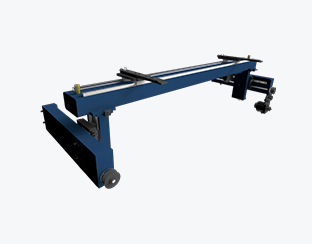
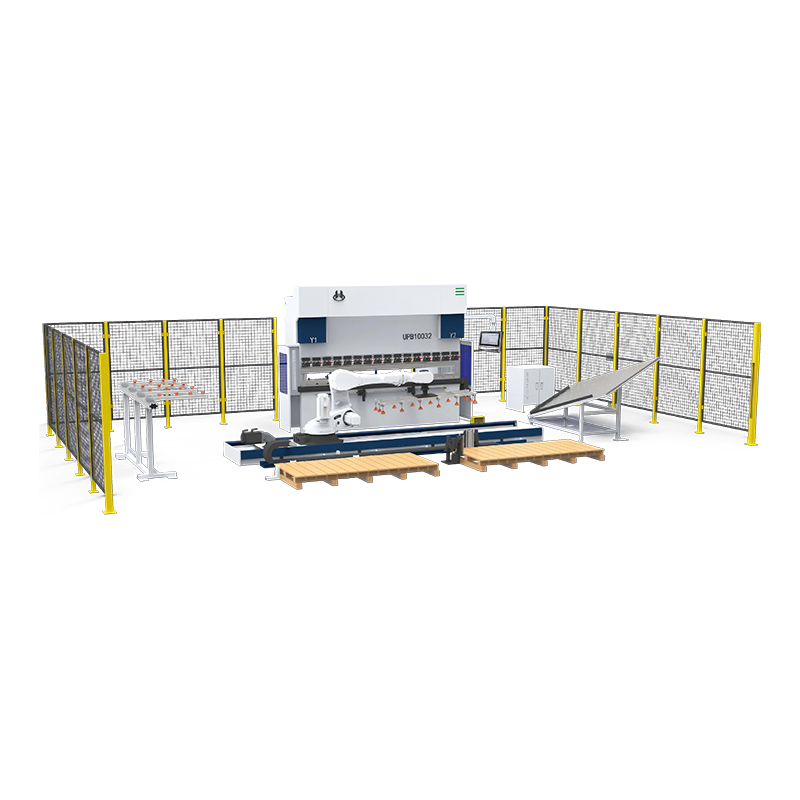
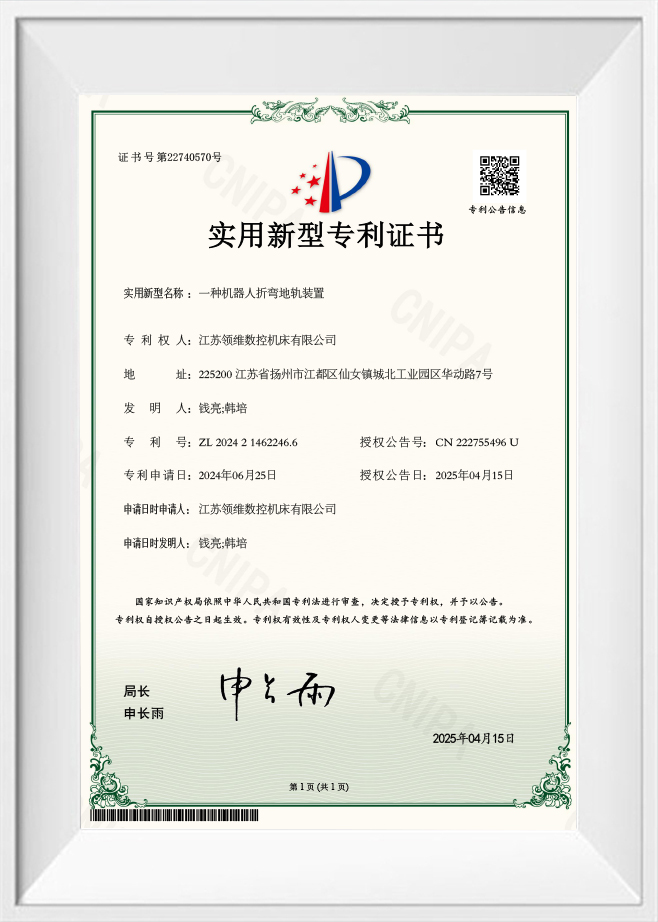
The Robot Bending Cell supports both six-axis and seven-axis robot configurations. The seventh axis is independently developed and manufactured, allowing flexible rail travel length configuration according to different factory layouts and workpiece requirements.
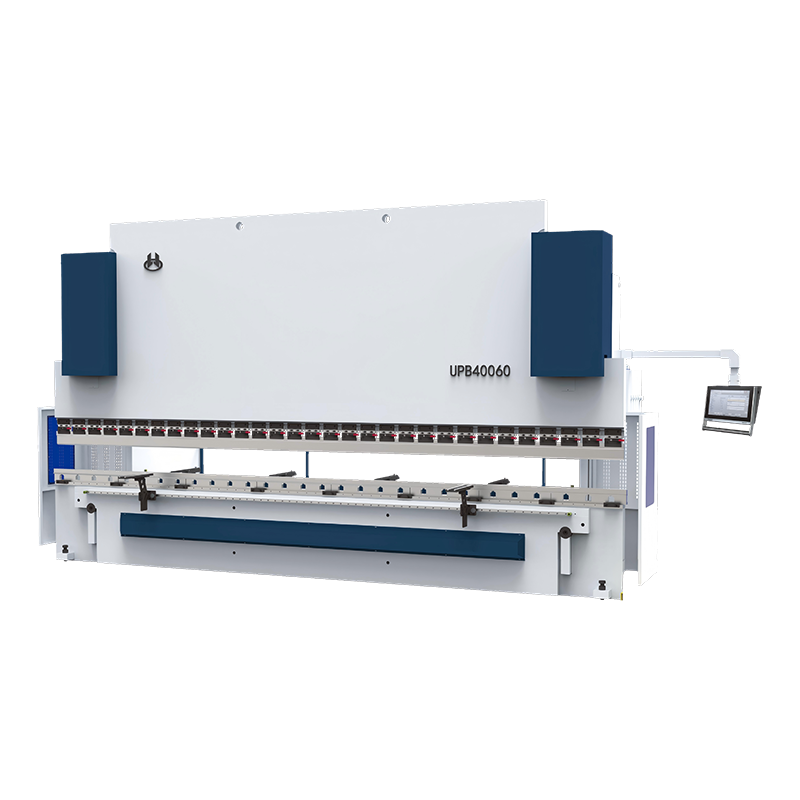
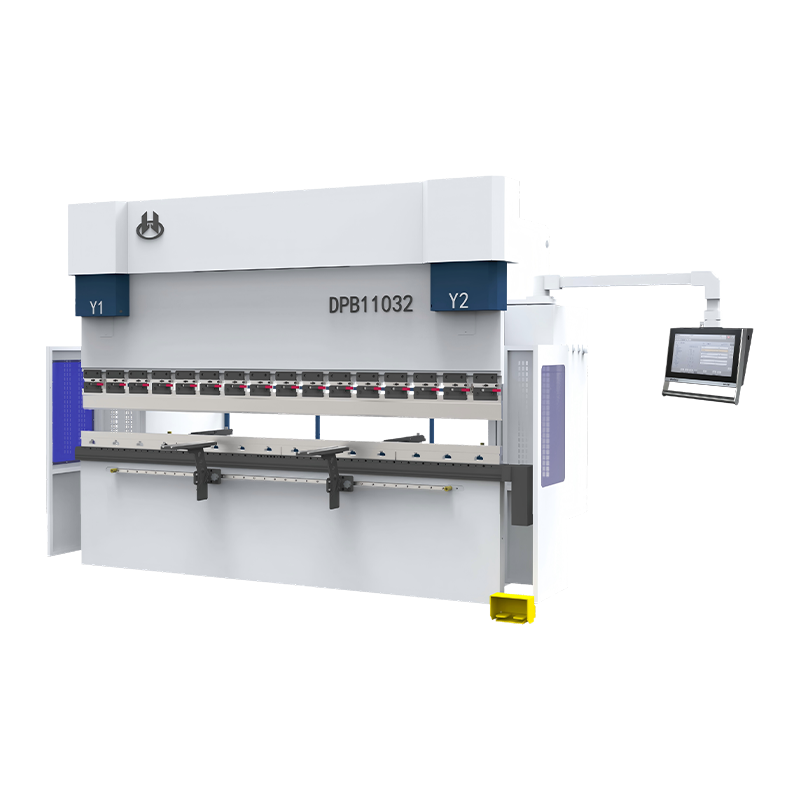
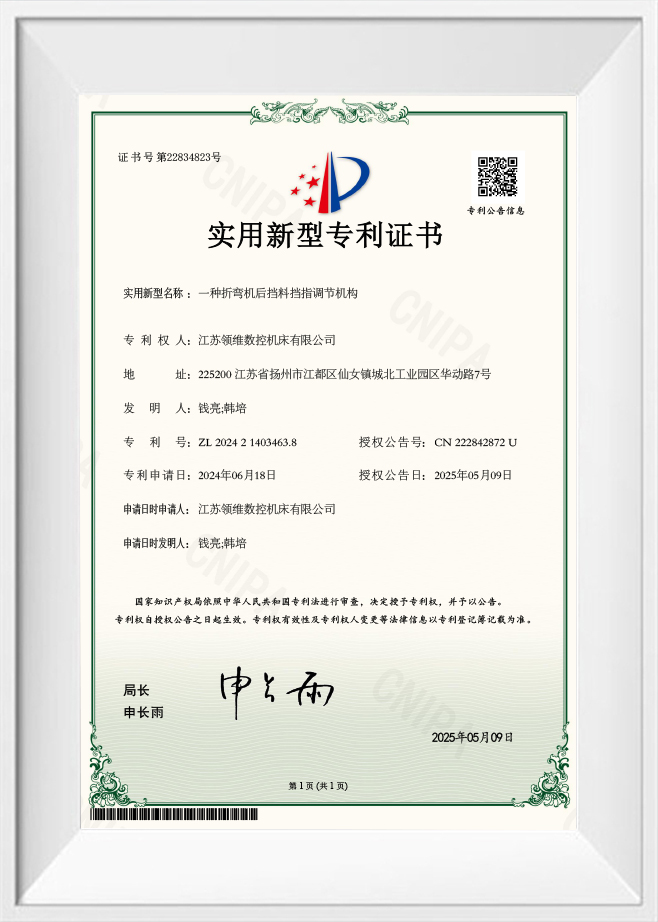
With robot payload options from 20kg to 600kg, the APB Series Robot Bending Cell can be integrated with the full range of CNC press brakes and customized according to customer production needs.
Main Features and Advantages
Six-Axis and Seven-Axis Configurations Available
The robotic bending system can be configured with six-axis or seven-axis structures according to different application requirements. The additional seventh axis is a self-developed robot travel axis with flexible guide rail length configuration. This design allows the robot movement range to be adjusted according to workpiece size, production layout, and automation requirements.
Compatible with Full Series CNC Press Brakes
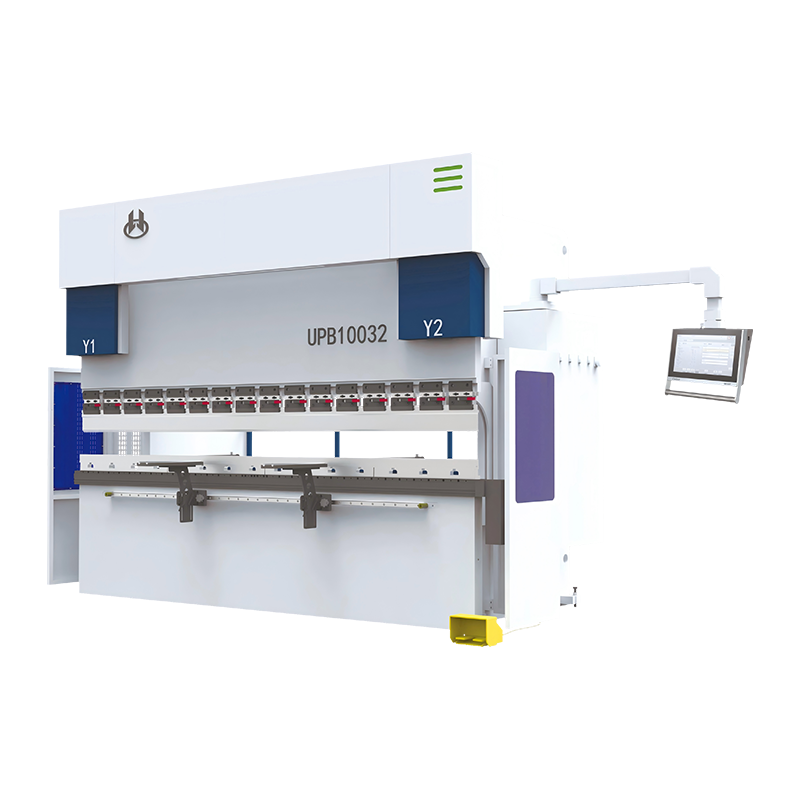
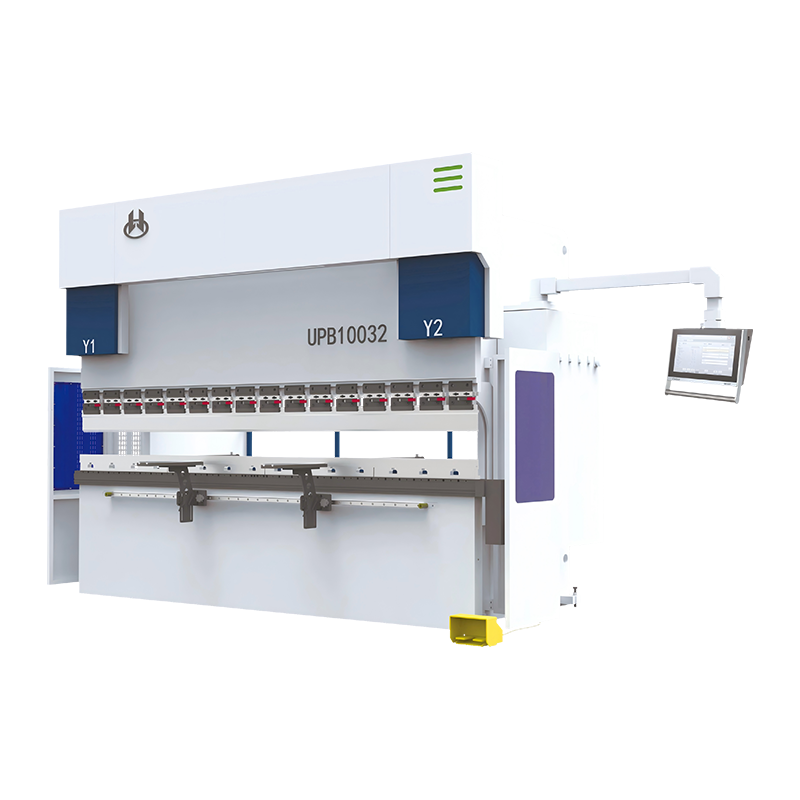
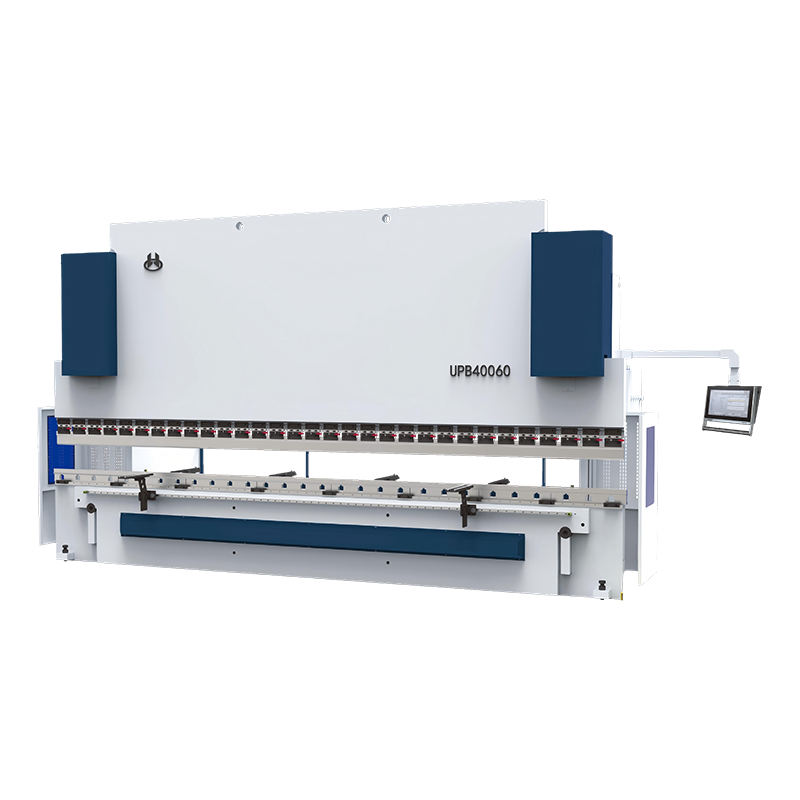
The Robot Bending Cell can be combined with different CNC press brake models to create customized automated bending solutions. The system is commonly configured with 6+1 axis CNC press brakes to achieve precise coordination between robot handling and bending operations. The final configuration can be selected based on product size, bending process, and production requirements.
Customized Automation Solutions
Every sheet metal product has different bending requirements. The APB Series provides customized robotic bending solutions based on customer drawings. Customers can provide workpiece drawings, and our engineering team will design a suitable automatic bending solution according to production requirements.
Improve Productivity and Reduce Labor Intensity
For companies producing large quantities of sheet metal components, the APB Series Robot Bending Cell significantly reduces repetitive manual operations. The robot automatically performs material handling, positioning, and bending assistance, reducing operator workload and improving production efficiency.The system can also connect with upstream and downstream equipment to build a complete automated sheet metal production line.
Applications
Typical applications include:
Electrical cabinets and control boxes
Industrial equipment enclosures
Automotive sheet metal parts
Home appliance metal components
Communication equipment housings
Precision sheet metal structures
Customized metal fabrication products
The system is especially suitable for manufacturers with:
Large production quantities
High labor intensity
Repetitive bending processes
Strict requirements for product consistency
Why Choose Our APB Series Robot Bending Cell
1. Professional Robotic Integration: Complete solutions including robot selection, press brake matching, system integration, and production optimization—tailored to your products and needs.
2. Self-Developed Traveling Axis: Independently designed and manufactured 7th-axis system ensures superior quality and flexibility. Guide rail length customizable to your factory layout and workpiece size.
3. Flexible Automation Solutions: From single cells to full production lines, the system integrates with loading/unloading equipment to boost overall efficiency.
FAQ
1. What is an APB Series Robot Bending Cell?
The APB Series Robot Bending Cell is an automated sheet metal bending system that combines an industrial bending robot with a CNC press brake to complete automatic handling and bending operations.
2. Which robot models are commonly used for the APB Series Robot Bending Cell?
Common bending robot models include ESTUN ER45, ER80B, and ER130, which are designed for sheet metal bending applications.
3. What is the difference between six-axis and seven-axis robot bending systems?
A six-axis robot provides flexible movement for standard bending applications. A seven-axis configuration adds a robot traveling axis, extending the working range and allowing flexible installation based on factory layout and workpiece requirements.
4. Can the robot bending cell work with different CNC press brakes?
Yes. The APB Series Robot Bending Cell can be integrated with the full range of CNC press brakes. The configuration can be customized according to bending force, workpiece size, and production requirements.
5. What information is needed for a customized robotic bending solution?
Customers usually need to provide product drawings, material information, workpiece dimensions, bending process requirements, and production capacity requirements. Our engineering team will design a suitable automation solution.









 English